Unbiased Protein Reviews, Evidence-Based Protein Powder Ratings
What Protein Powder Do Nutritionists Recommend? As a certified ISSN, NSCA, and Precision Nutrition expert, I often hear: What protein powder do nutritionists recommend? Here’s the real answer—most recommendations are based on personal experience or marketing.
Check out all of my unbiased protein reviews.
How We Review Protein Powders
At JKremmer Fitness, every protein powder gets the same audit: 1) Label type and FDA compliance, 2) percent protein per serving, 3) full amino acid profile or refusal to provide one, 4) third-part testing claims that can be verified, 5) heavy metals or Prop 65 exposure language, and 6) buyer value based on price per gram of actual protein and transparency. That’s how we keep these protein reviews unbiased and repeatable.
- Third-party testing
- Amino spiking detection
- Label compliance (Nutrition Facts vs Supplement Facts)
- Percent protein per serving
- Mixability
- Transparency
Latest Unbiased Protein Powder Review
Here’s my latest unbiased protein powder reviews that I’ve released.
- Ryse Protein Powder Review: Great Taste, But Too Many Questions at $50
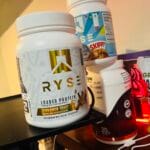 This Ryse Protein Powder Review examines flavor, mixability, amino acid data, ingredient transparency, nutrition facts, third-party testing, and overall value. Ryse delivers a thick, milkshake-style shake and strong flavor, but limited independent verification leaves unanswered questions about protein integrity, testing transparency, and whether the nearly $50 price is fully justified.
 - Review of Promix Protein Isolate: Is it worth buying the Promix Whey Protein Isolate?
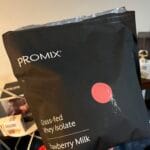 This Promix Whey Protein Isolate Review examines protein quality, amino acid claims, third-party testing, ingredients, mixability, and value. My Promix Whey Protein Isolate Review found strong mixability and a simple formula, but weak verification. This Promix Whey Protein Isolate Review explains why I ultimately wouldn’t recommend it to most buyers.
 - Alpha Lion vs Gorilla Mind: Better Protein Density or Bigger Transparency Problem?
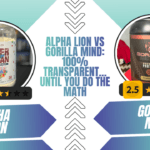 Alpha Lion vs Gorilla Mind compares two “100% transparency” protein powders with very different problems. Alpha Lion offers better protein density, a branded whey source, and stronger buyer protection. Gorilla Mind tastes better and names Dyad Labs, but its protein %DV math raises questions about whether 25g really means 25g.
 - Alpha Lion vs ProJym: Better Protein Density or Cheaper Blend Math?
 Alpha Lion vs Pro JYM compares protein density against dessert-style flavor. Alpha Lion gives better amino transparency, higher protein density, and clearer post-workout value. Pro JYM wins on taste and price, but its proprietary amino profile, Prop 65 warning, and lower protein density make it harder to trust.
 - Alpha Lion vs Ghost: One Has Better Density, One Has Bigger Aminos, Both Need Better Receipts
 Alpha Lion vs Ghost comes down to protein density versus flavor theater. Alpha Lion provides better upfront protein information, higher protein density, and stronger buyer trust. Ghost wins on taste and dessert-style branding, but its amino profile raises too many questions for a premium-positioned whey protein comparison.
Proteins That Passed Our Checks
I’m always getting the question, “What protein powders do I recommend?” Here’s a list of protein that I have no problem recommending.
- Check out our full AGN Roots Grass-Fed Whey Protein review and why I believe it’s the best in the business.
- NorCal Organic Whey is sourced from farms from Northern California.
- Now Sports USDA Organic Whey is the best budget USDA Organic Whey you can buy.
- Here’s where Transparent Labs over markets the ‘grass-fed’ claim.
Proteins With Concerns
Now if you’re wondering which protein powders are dirty, here’s a short list of protein you can stay away from.
- Oath Clear Protein looks scientific, but is selling you a story
- Basic Supplements Whey is budget friendly, with an asterisk.
- ProMix Whey Concentrate claims to be grass-fed, but refuses to provide who does 3rd party verification.
- Just Ingredients is just protein, but also comes with a Prop 65 Warning.
FAQ: Protein Review Standards
An unbiased review starts with data, not sponsorships. Every product here is purchased out-of-pocket and scored against the same metrics–label accuracy, amino acid disclosure, third party testing, protein per serving, Prop 65 status, and value per gram. No free tubs, no “influencer discounts,” and no brand edits.
Because a label’s protein number doesn’t tell the whole story. The leucine yield determines real muscle protein synthesis potential, and missing or inflated amino tables often hint at amino spiking. If a brand refuses to provide the amino profile, it’s listed as a transparency failure, earning a 1 out of 10 score.
Yes — and many don’t Under FDA 21 CFR 101.36(b)(2)(i), any Supplement Facts panel that includes protein should also list a %DV unless the protein quality is untested. When brands skip that number, it signals either missing PDCAAS data or poor label compliance.
Absolutely! Informed Protein, Informed Choice, and Labdoor verification confirm that a brand’s claims match lab results and the product is screened for contaminants or it’s protein quality. Without those seals, “lab tested” is just marketing copy–anyone can print that.